Wire EDM for tight internal features and complex profiles.
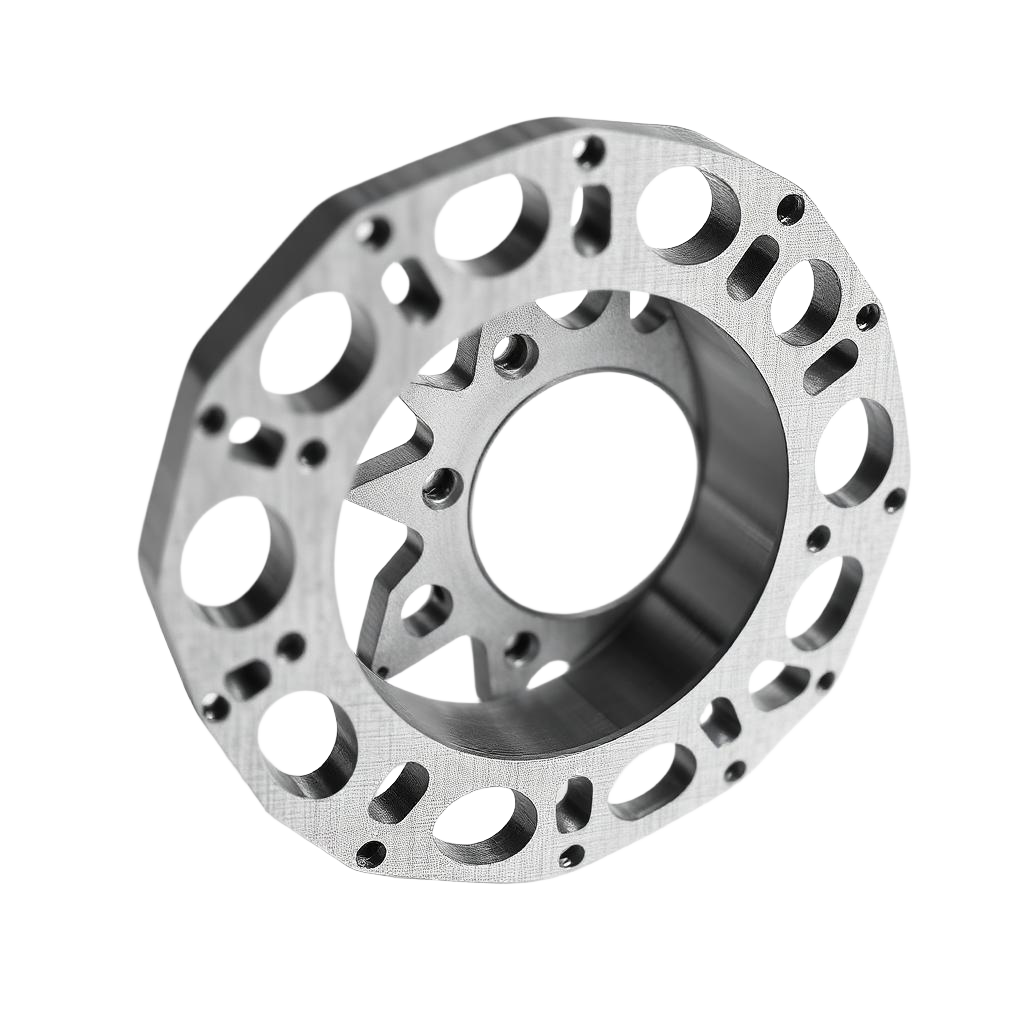
Wire EDM cuts hardened materials and tight internal geometries that conventional machining cannot reach. Useful for tool steel inserts, fixturing details, and precision profiles requiring sharp internal corners.
- Typical tolerance
- ±0.0005”
- Working envelope
- Approx. 24" × 16" × 12" work envelope
- Machine platforms
- Mitsubishi MV2400S Wire EDM
- Production
- Prototype → production
What this process is for.
Cuts conductive materials regardless of hardness.
Internal corner radii limited only by wire diameter.
Excellent surface finish straight off the machine.
Process at a glance
- Working envelope
- Approx. 24" × 16" × 12" work envelope
- Tolerances
- Project-specific · confirmed at RFQ
- Inspection
- CMM · Faro arm · optical
- Quality system
- ISO 9001:2015 · ITAR
Machines used for this work.
- Mitsubishi MV2400S Wire EDM
Materials We Machine With Wire EDM
Where this capability is used.
Wire EDM for Aerospace
Wire EDM applied to aerospace programs — components, materials, and inspection tailored to this industry.
Wire EDM for Defense
Wire EDM applied to defense programs — components, materials, and inspection tailored to this industry.
Wire EDM for Medical Device
Wire EDM applied to medical device programs — components, materials, and inspection tailored to this industry.
Wire EDM for Industrial Equipment
Wire EDM applied to industrial equipment programs — components, materials, and inspection tailored to this industry.
Typical part types and uses.
- Tool and die inserts
- Precision slots and keyways
- Tight internal profiles in hardened materials
- Aerospace component features
- Medical instrument profiles
How we hold and verify the part.
Tolerance approach
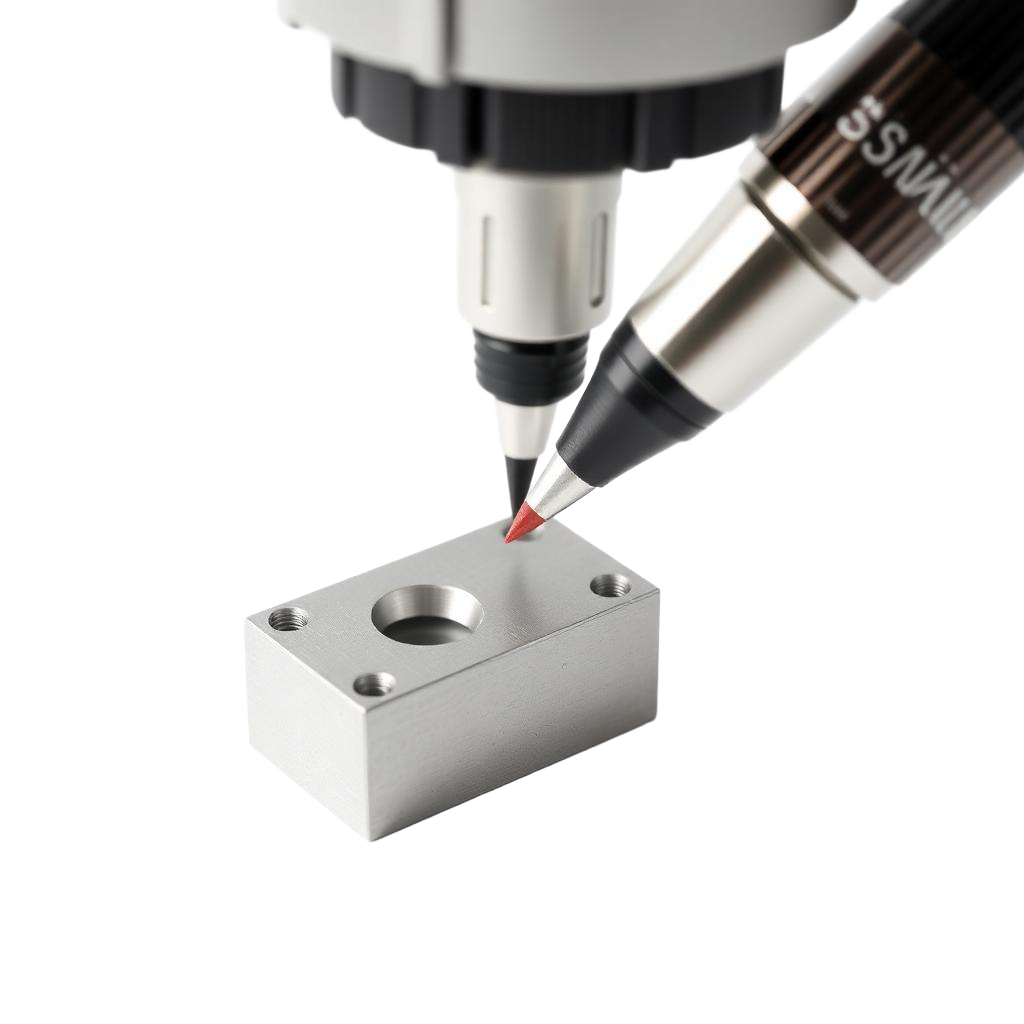
Profile tolerances and corner radii confirmed at quote review.
View tolerance standardsQuality & documentation
- Optical comparator verification of profiles
- CMM inspection for critical features
- Material traceability available
Related capabilities.
Surface Grinding
Surface grinding finishes hardened and unhardened materials to close-tolerance flatness, parallelism, and controlled surface finish.
5-Axis CNC Milling
5-axis machining on a Haas UMC-750 supports geometries that would require multiple setups on 3-axis equipment.
Inspection & Metrology
Inspection is integral to manufacturing — not a checkpoint after the fact.
Engineering FAQs
The questions engineering and procurement teams ask most often before a first quote.
What materials can you wire EDM?
Any electrically conductive material. We routinely cut tool steels, stainless, carbon steel, titanium, Inconel, and carbide.
Can you cut hardened material?
Yes — that's a primary use case. Wire EDM is unaffected by material hardness, which is why it's used after heat treatment when conventional machining is no longer practical.
What's the smallest internal radius?
Internal corner radius is limited by wire diameter. Standard wire produces approximately 0.005–0.010 in. corner radii; smaller is possible with finer wire.
Do you offer wire EDM for production?
Yes. Production runs are supported with controlled wire grades, programmed paths, and verification on critical features.
Have a part ready for wire edm?
Upload your CAD files or drawings — our engineering team reviews and responds within one business day.