CNC turning with live tooling and sub-spindle capability.
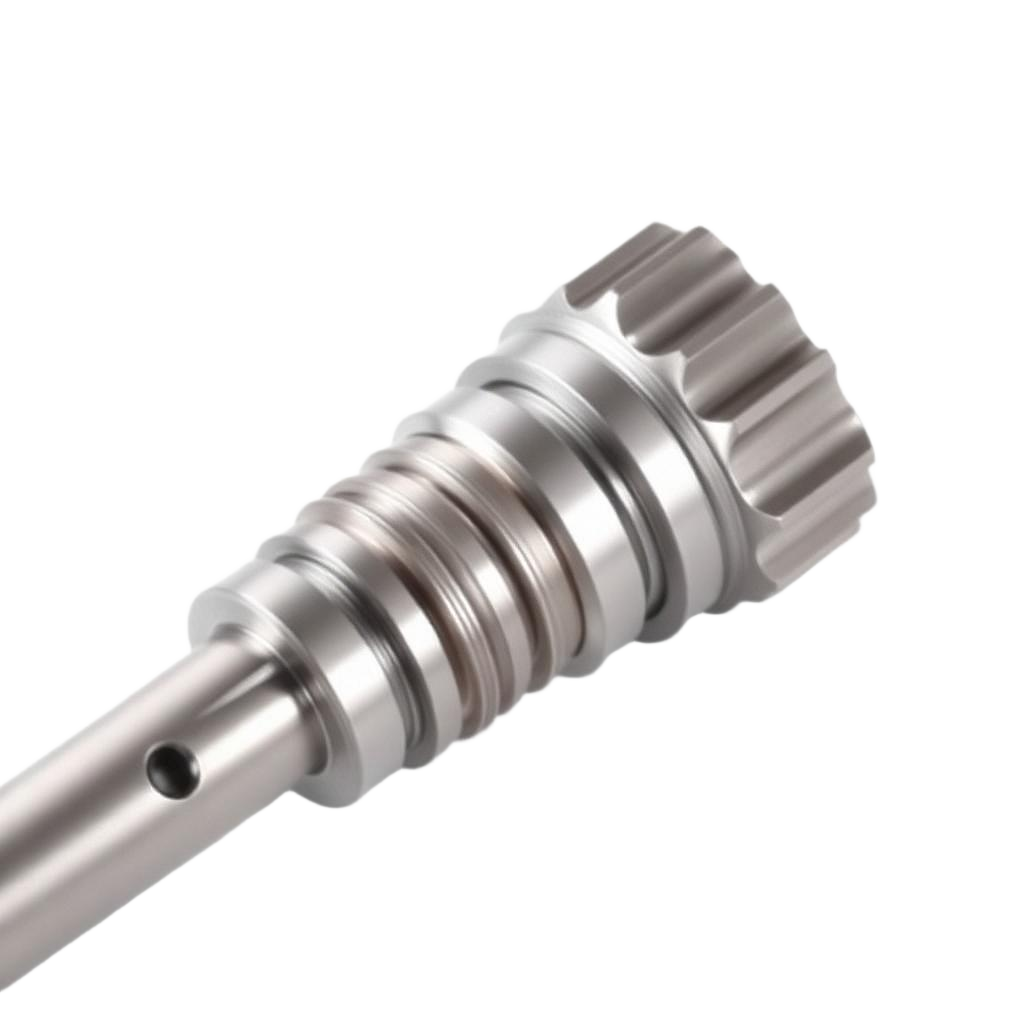
Precision turning for shafts, bushings, housings, and rotational components. Live tooling and sub-spindle work allows complete part finishing in a single setup, reducing handling and improving concentricity.
- Typical tolerance
- ±0.0005”
- Working envelope
- Up to Ø 12.6" × 39" between centers
- Machine platforms
- Mazak Quick Turn 250MSY (live tooling, sub-spindle) · Okuma LB3000 EX II CNC lathe
- Production
- Prototype → production
What this process is for.
Live-tool milling and drilling on turned components.
Sub-spindle work for done-in-one part finishing.
Production turning for repeat OEM programs.
Process at a glance
- Working envelope
- Up to Ø 12.6" × 39" between centers
- Tolerances
- Project-specific · confirmed at RFQ
- Inspection
- CMM · Faro arm · optical
- Quality system
- ISO 9001:2015 · ITAR
Machines used for this work.
- Mazak Quick Turn 250MSY (live tooling, sub-spindle)
- Okuma LB3000 EX II CNC lathe
Materials We Machine With CNC Turning
Aluminum CNC Turning
Efficient production of rotational aluminum components.
Stainless Steel CNC Turning
Rotational stainless components with concentricity control.
Titanium CNC Turning
Efficient production of rotational titanium geometry with concentricity control.
Inconel CNC Turning
Rotational Inconel components produced with controlled parameters.
Engineering Plastics CNC Turning
Rotational plastic components with controlled clamping and cutting forces.
Where this capability is used.
CNC Turning for Aerospace
CNC Turning applied to aerospace programs — components, materials, and inspection tailored to this industry.
CNC Turning for Medical Device
CNC Turning applied to medical device programs — components, materials, and inspection tailored to this industry.
CNC Turning for Industrial Equipment
CNC Turning applied to industrial equipment programs — components, materials, and inspection tailored to this industry.
CNC Turning for Battery Manufacturing
CNC Turning applied to battery manufacturing programs — components, materials, and inspection tailored to this industry.
CNC Turning for Electronics
CNC Turning applied to electronics programs — components, materials, and inspection tailored to this industry.
Typical part types and uses.
- Precision shafts and bushings
- Hydraulic and pneumatic cylinder components
- Valve bodies and fluid system parts
- Battery manufacturing fixturing
- Sensor housings
How we hold and verify the part.
Tolerance approach
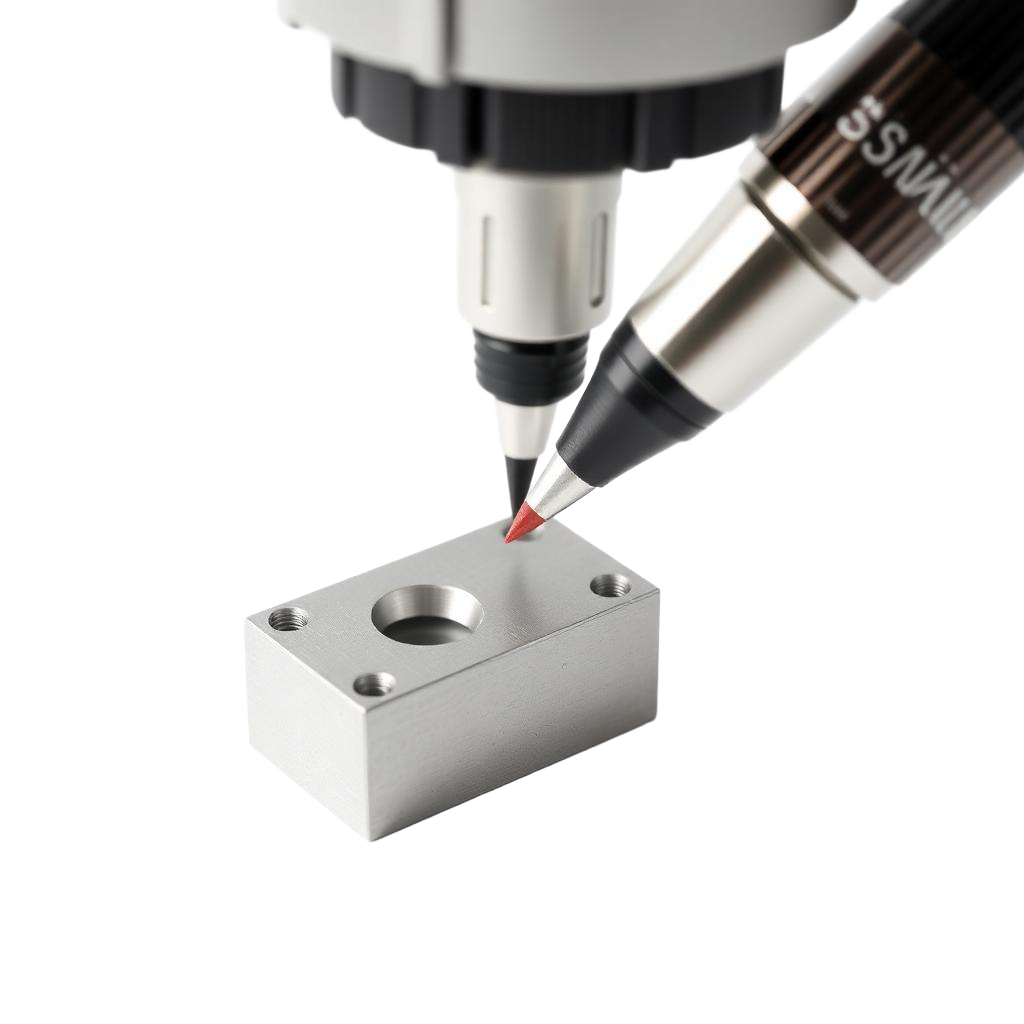
Concentricity, runout, and surface finish requirements confirmed at quote review.
View tolerance standardsQuality & documentation
- In-process inspection on production runs
- Surface finish verification (Ra) on request
- Material certifications and traceability available
Related capabilities.
Swiss Turning
Swiss-style turning supports small-diameter parts with tight concentricity, repeatable surface finish, and long-running production cycles.
CNC Milling
Production milling on Haas VF-series equipment with documented setups, in-process inspection, and DFM review on every quoted program — prototype through long-running OEM production.
Inspection & Metrology
Inspection is integral to manufacturing — not a checkpoint after the fact.
Engineering FAQs
The questions engineering and procurement teams ask most often before a first quote.
What's the difference between your CNC turning and Swiss turning?
Standard CNC turning handles parts up to about 12 in. diameter and longer lengths. Swiss turning is optimized for small-diameter precision parts (under ~20 mm bar) with tight concentricity.
Can you mill features on turned parts?
Yes — the Mazak QT 250MSY has live tooling and a sub-spindle, allowing drilling, milling, and cross-features in a single setup.
What surface finishes can you hold?
Surface finish is process- and feature-dependent. Specific Ra targets are reviewed during quoting; secondary finishing operations are available when tighter finishes are required.
Do you support production turning programs?
Yes. Repeat OEM programs run with documented setups, controlled tooling, and SPC on request.
Have a part ready for cnc turning?
Upload your CAD files or drawings — our engineering team reviews and responds within one business day.