Swiss-type turning for small-diameter precision components.
Swiss-style turning supports small-diameter parts with tight concentricity, repeatable surface finish, and long-running production cycles. Common applications include medical components, electronics hardware, and fluid system parts.
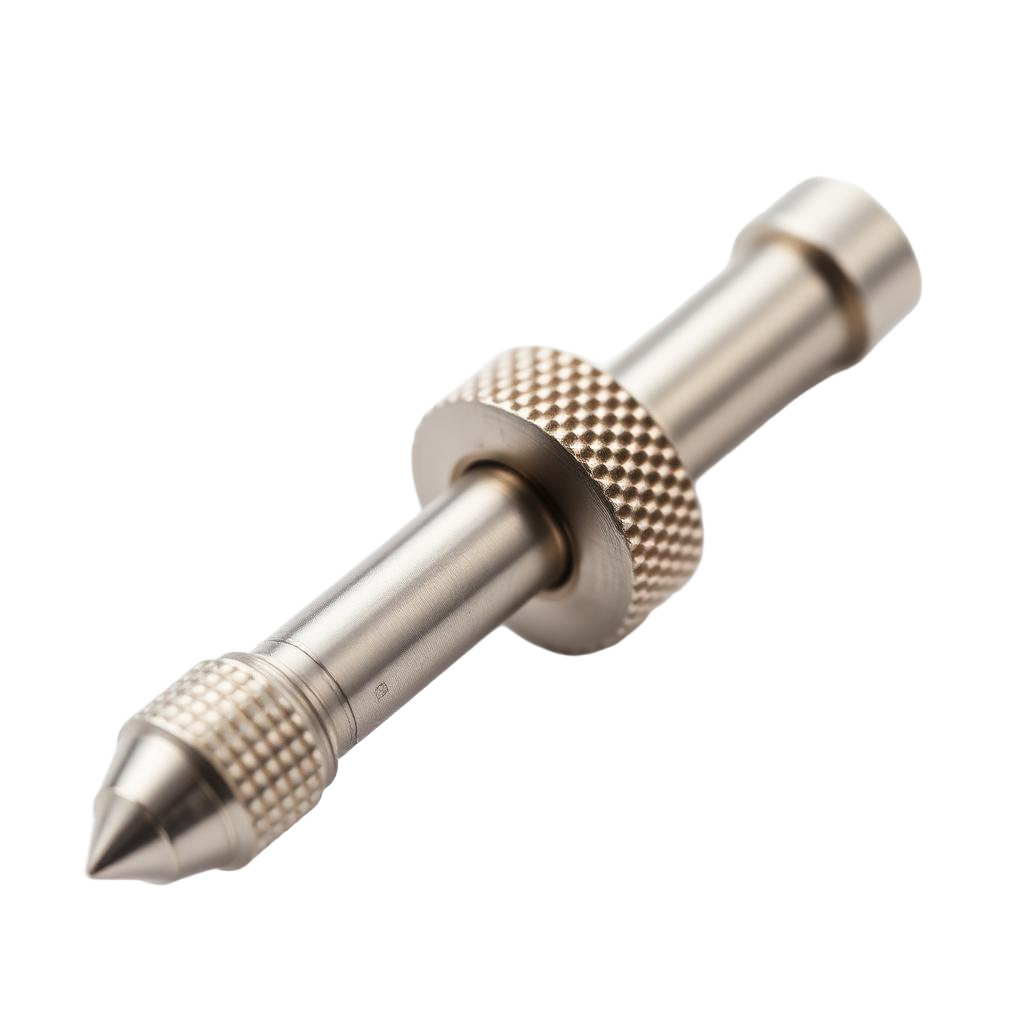
- Typical tolerance
- ±0.0005”
- Working envelope
- Up to Ø 20 mm bar capacity
- Machine platforms
- Citizen L20 Swiss-type CNC lathe
- Production
- Prototype → production
What this process is for.
Bar feed for high-volume production runs.
Live tooling for cross-drilling and milled features.
Tight concentricity and parallelism on long, slender geometries.
Process at a glance
- Working envelope
- Up to Ø 20 mm bar capacity
- Tolerances
- Project-specific · confirmed at RFQ
- Inspection
- CMM · Faro arm · optical
- Quality system
- ISO 9001:2015 · ITAR
Machines used for this work.
- Citizen L20 Swiss-type CNC lathe
Materials We Machine With Swiss Turning
Where this capability is used.
Swiss Turning for Medical Device
Swiss Turning applied to medical device programs — components, materials, and inspection tailored to this industry.
Swiss Turning for Electronics
Swiss Turning applied to electronics programs — components, materials, and inspection tailored to this industry.
Swiss Turning for Industrial Equipment
Swiss Turning applied to industrial equipment programs — components, materials, and inspection tailored to this industry.
Typical part types and uses.
- Medical instrument shafts and pins
- Electronics connectors and contact pins
- Fluid system fittings
- Small precision hardware
How we hold and verify the part.
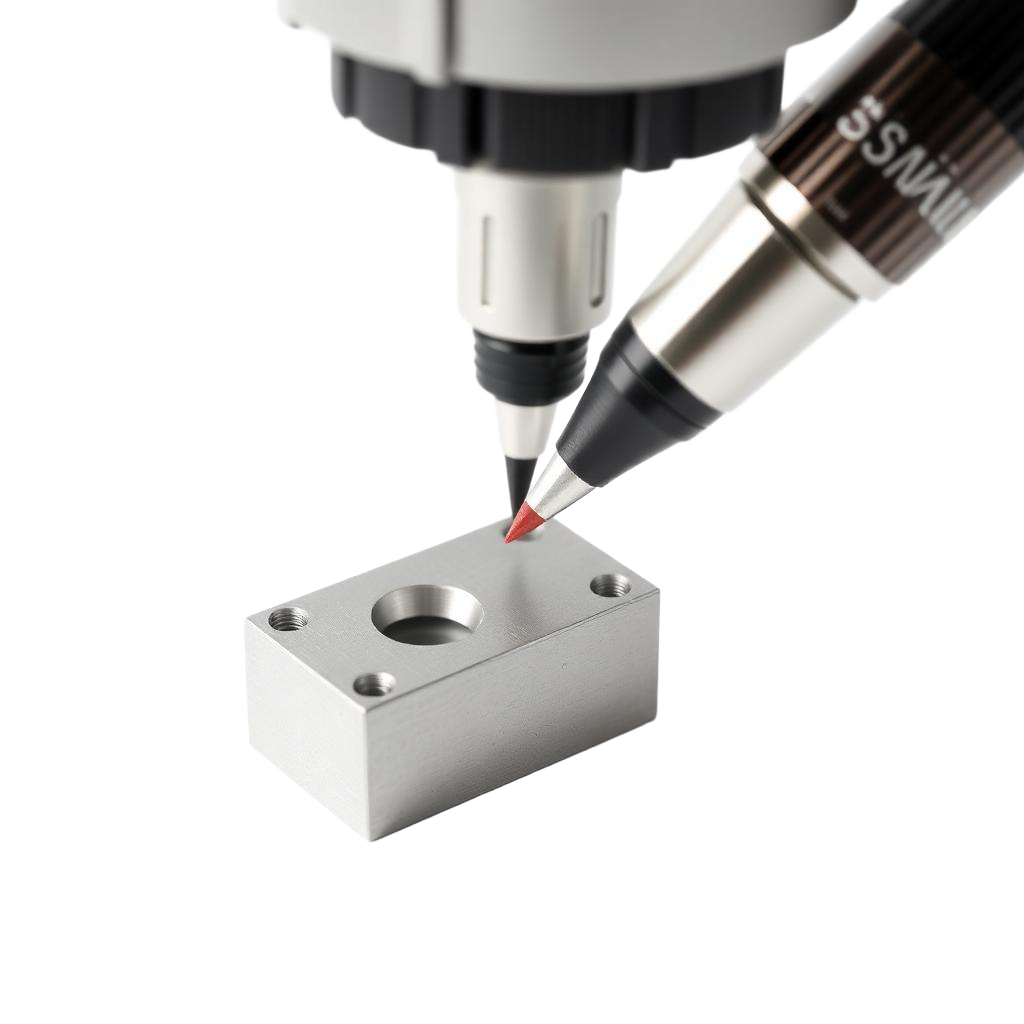
Tolerance approach
Diameter, concentricity, and length tolerances confirmed at quote review.
View tolerance standardsQuality & documentation
- Production-volume inspection and traceability
- Lot control available for medical programs
- Surface finish verification on request
Related capabilities.
CNC Turning
Precision turning for shafts, bushings, housings, and rotational components.
CNC Milling
Production milling on Haas VF-series equipment with documented setups, in-process inspection, and DFM review on every quoted program — prototype through long-running OEM production.
Inspection & Metrology
Inspection is integral to manufacturing — not a checkpoint after the fact.
Engineering FAQs
The questions engineering and procurement teams ask most often before a first quote.
What's the maximum bar diameter?
20 mm. For diameters above 20 mm, parts move to the Mazak or Okuma turning centers.
Are Swiss parts suitable for medical applications?
Yes — Swiss turning is widely used for medical components. Material lot control and traceability are available for qualified programs.
Do you offer secondary finishing?
Yes. Common secondaries include grinding, deburring, and outsourced surface treatments such as passivation or anodizing.
What's a typical Swiss production run size?
Anywhere from a few hundred to many thousands of pieces. Volume affects setup amortization — discuss your expected annual volumes at RFQ.
Have a part ready for swiss turning?
Upload your CAD files or drawings — our engineering team reviews and responds within one business day.