Precision surface grinding for flatness and finish control.
Surface grinding finishes hardened and unhardened materials to close-tolerance flatness, parallelism, and controlled surface finish. Routinely used as a finishing operation on tooling, precision plates, and mating surfaces.
- Typical tolerance
- ±0.0005”
- Working envelope
- Component-size dependent — confirm at quote review
- Machine platforms
- Okamoto precision surface grinder
- Production
- Prototype → production
What this process is for.
Tight flatness and parallelism on plates and prisms.
Controlled surface finish for sealing and mating surfaces.
Finishing operation on hardened tool steel components.
Process at a glance
- Working envelope
- Component-size dependent — confirm at quote review
- Tolerances
- Project-specific · confirmed at RFQ
- Inspection
- CMM · Faro arm · optical
- Quality system
- ISO 9001:2015 · ITAR
Machines used for this work.
- Okamoto precision surface grinder
Where this capability is used.
Surface Grinding for Aerospace
Surface Grinding applied to aerospace programs — components, materials, and inspection tailored to this industry.
Surface Grinding for Defense
Surface Grinding applied to defense programs — components, materials, and inspection tailored to this industry.
Surface Grinding for Industrial Equipment
Surface Grinding applied to industrial equipment programs — components, materials, and inspection tailored to this industry.
Typical part types and uses.
- Die and mold components
- Precision plates and fixtures
- Mating and sealing surfaces
- Tooling details after heat treat
How we hold and verify the part.
Tolerance approach
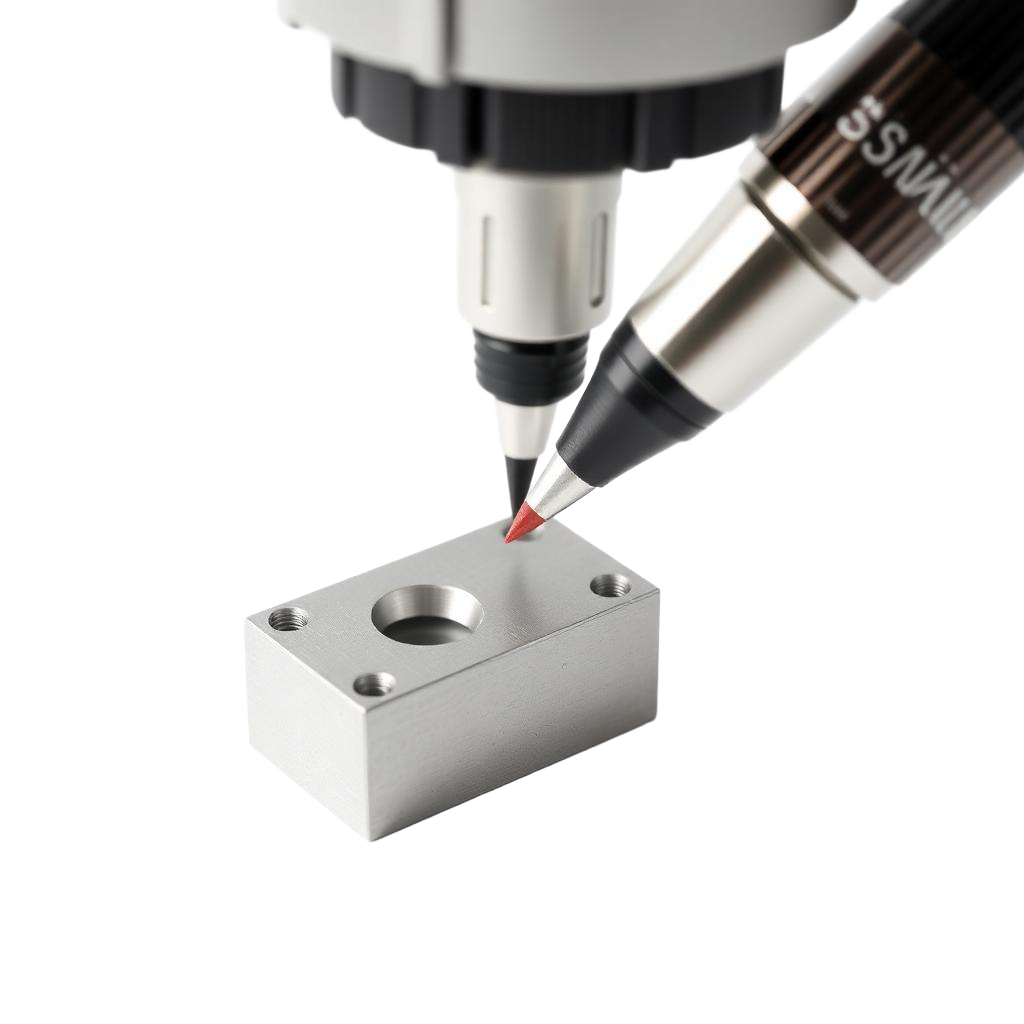
Flatness, parallelism, and Ra targets confirmed at quote review.
View tolerance standardsQuality & documentation
- Surface finish (Ra) verification on request
- Flatness inspection on critical features
Related capabilities.
Wire EDM
Wire EDM cuts hardened materials and tight internal geometries that conventional machining cannot reach.
CNC Milling
Production milling on Haas VF-series equipment with documented setups, in-process inspection, and DFM review on every quoted program — prototype through long-running OEM production.
Inspection & Metrology
Inspection is integral to manufacturing — not a checkpoint after the fact.
Engineering FAQs
The questions engineering and procurement teams ask most often before a first quote.
What flatness can you hold?
Process-typical flatness is within ten-thousandths of an inch on standard work; tighter tolerances are possible and reviewed per project.
Can you grind after heat treatment?
Yes. Grinding after heat treat is a common use case for restoring tight tolerances on distorted parts.
Do you grind cylindrical or ID features?
Our in-house grinding focuses on surface grinding. Cylindrical and ID grinding can be coordinated with qualified partners when needed for a full program.
Have a part ready for surface grinding?
Upload your CAD files or drawings — our engineering team reviews and responds within one business day.